

Digital Humanities enables the reimagining of cultural identity by expanding how histories are preserved, interpreted, and circulated, shifting cultural authority from closed institutions to more open, participatory forms of knowledge-making. In India—where questions of memory, citizenship, language, and democracy are deeply connected—digital archives, community platforms, and collaborative storytelling create space for marginalized narratives, dispersed publics, and everyday cultural practices to be seen and engaged. By integrating technological tools with humanistic inquiry, DH makes identity fluid rather than fixed, inviting scholars, students, activists, and communities to become co-curators of the past and co-authors of the future, transforming cultural memory into a shared, evolving, and democratically accessible practice.
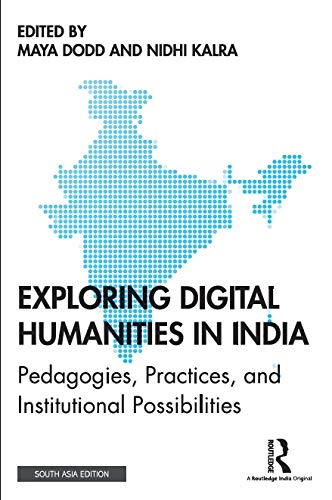
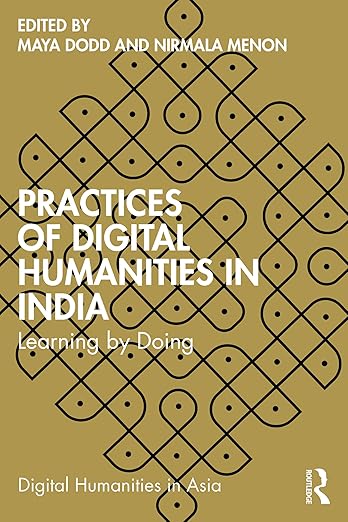
PUBLIC HISTORY: The digital turn has enabled new challenges and opportunities for public history. I am a digital archivist and am known for the ‘digital turn’ in the Humanities in India and works in Public History. My work exploring digital humanities in India (Routledge, 2020), has won critical acclaim, and has mapped an exciting new field. My teaching through digital making, and public works like paha.site all contribute to my interest in building archival capacity for public history
DIGITAL HUMANITIES: The field of digital humanities entails not just the academic study of the field but also the acts of curation and creation. As a public facing scholar, I have presented my scholarly research at over fifty conferences, have organized conference panels, been a resource for thinking and training in digital humanities in India. My broad contribution to the field is the academic leadership of international collaborative projects that cross borders. I have served on the executive committee of DHARTI since its inception in 2018 [DHARTI is an initiative towards organising and facilitating digital practices in arts and humanities scholarship in India. I currently serve as series editor of the Taylor and Francis book series, Digital Humanities in Asia and have commissioned work from India and Japan.
MEMORY, TECHNOLOGY AND IDENTITY: I have engaged in several international and national projects related to public history, community archives and public pedagogy that are shaping the field of digital humanities. I have also been part of the organizing committee of the international ADHO conference in Portugal in 2025, Creative Commons in 2022, Oral History Association of India conference in 2021, the DHARTI Twitter conference in 2020, the Law and Social Sciences Network conference in 2010. As Chair of FLAME University’s Humanities department, we also held the country’s first undergraduate student conference, Re-thinking Cultural Studies in India, in 2016, and subsequent events such as Learning Through Archives in 2019. Accessing Democracy was an event held in 2023 in conjunction with PRS, India and convened over a dozen Indian organisations who work on digital civic technologies.